What broadband speed do you actually need?
A short, honest guide to matching a package to your household instead of buying the biggest number on the page.
15 August 2026 · 6 min read
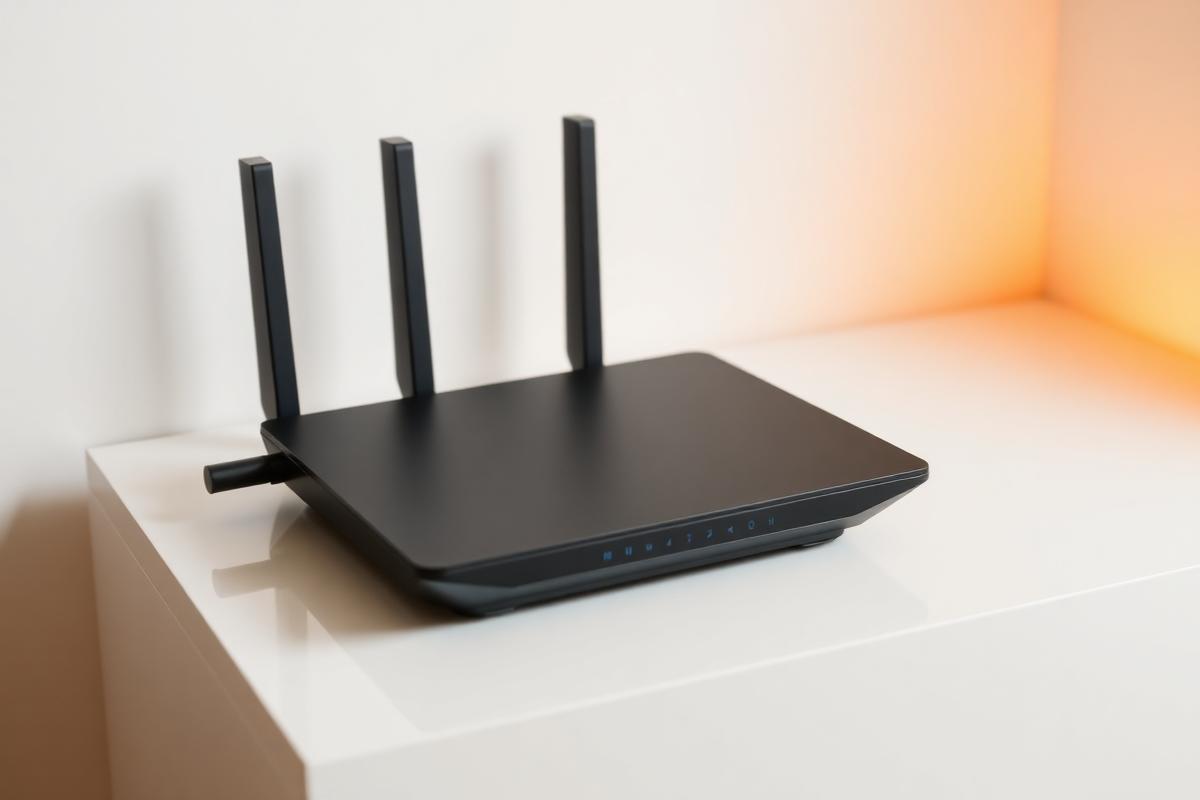
Most households in the UK are comfortable somewhere between 100 and 300 Mbps. Above that, the limiting factor is usually Wi-Fi, not the line.
Count concurrent heavy users rather than devices. Four people on video calls need less bandwidth than one 8K stream, but far more consistency.
Upload speed is the figure to check if you work from home, back up photos or upload video. Full fibre is the only widely available technology with strong upload.
Before upgrading, test your speed over a wired connection. If wired is fast and Wi-Fi is slow, a better router will help more than a bigger package.
Editorial note
This article is editorial guidance. Where a result depends heavily on location we say so rather than reporting a single number as universal.
Read next
Related work
Can 5G replace home broadband?
5G home broadband can be a flexible alternative where full fibre is not yet available. The right choice depends on coverage, speed and usage in your location.
Read
Best connectivity for rural homes
Fixed wireless, 4G with an external antenna, satellite or a community network — the first step is working out which options your address actually supports.
Read
Starlink versus 5G
Two very different ways to get online without a fixed line. Weigh coverage, latency, weather resilience and total cost before choosing.
Read